
Surfaces That Stop Deteriorating Further
Pool Replasters in Austin for interior finishes showing staining, roughness, or structural exposure
When a pool's interior surface develops rough patches that snag swimsuits, visible staining that persists despite chemical balancing, or areas where the underlying shell begins to show through, the plaster finish has reached the end of its functional life. Replastering restores the waterproof barrier, eliminates abrasive texture, and returns the pool to a visually uniform appearance. Crites Custom Pools Inc. provides pool replasters in Austin that address surface degradation before it progresses to shell damage or chronic water loss.
The replaster process involves draining the pool completely, removing the existing plaster layer down to the structural shell, repairing any underlying cracks or voids, acid-washing the surface, and applying a new finish coat. Finish options include traditional white marcite, colored marcite, quartz blends that incorporate fine aggregates for added durability, and exposed pebble finishes that provide texture and stain resistance. The chosen material affects both the pool's appearance and how long the new surface will last before requiring replacement again.
Schedule a pool surface evaluation to determine whether replastering is needed and which finish material suits your maintenance preferences.

Why Pool Surfaces Degrade and What Replastering Fixes
Before & After
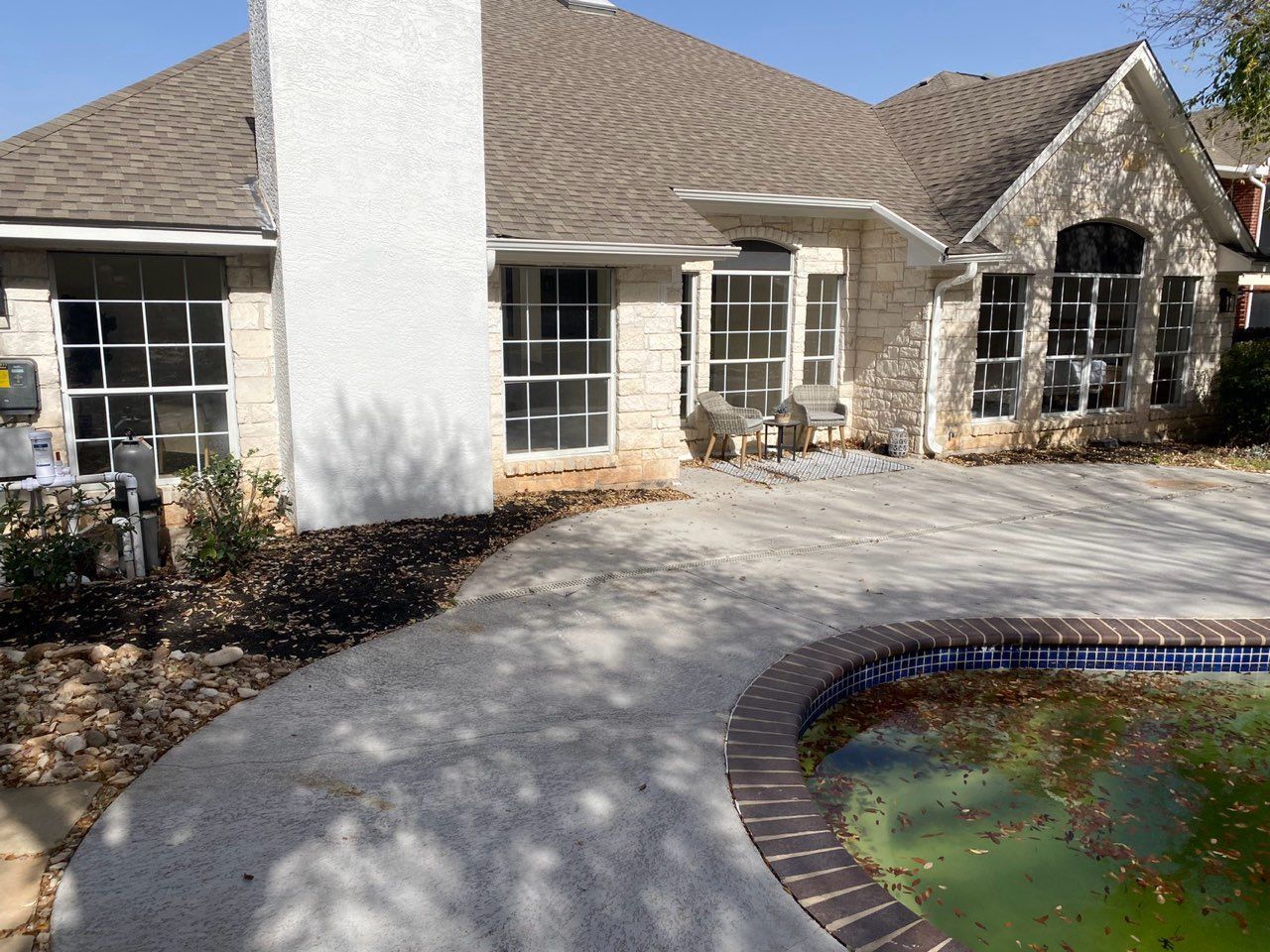
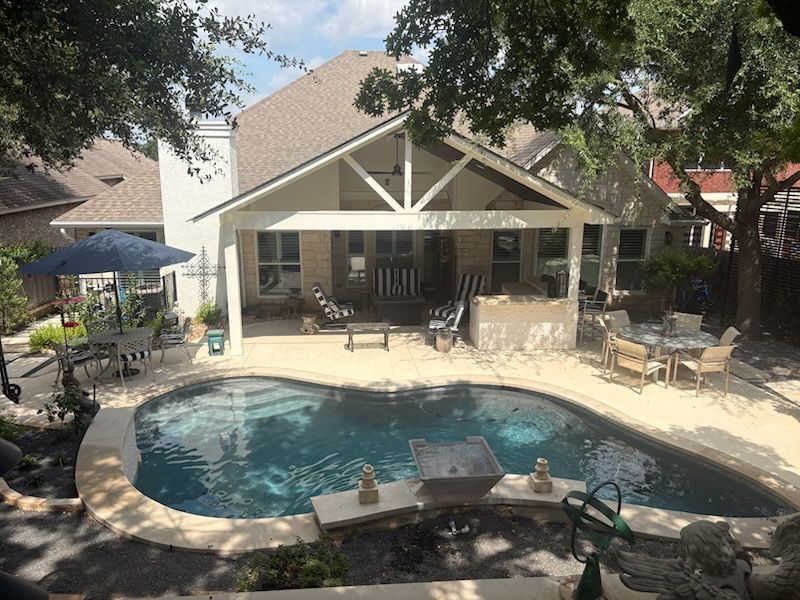
Plaster deterioration occurs gradually as chemical exposure, UV radiation, and mechanical wear break down the surface layer. Improper water chemistry accelerates this process—low pH levels cause etching, while high calcium hardness leads to scaling and discoloration. In Central Texas, intense sunlight and temperature swings between seasons contribute to faster finish degradation compared to milder climates. Once the plaster layer thins enough, the rough gunite or shotcrete shell becomes exposed, creating areas that feel abrasive and allowing water to penetrate beyond the intended waterproof barrier.
After replastering, the pool's interior feels uniformly smooth without rough spots, stains no longer reappear after routine cleaning, and water loss from seepage through degraded plaster stops. The surface presents a consistent color and texture across the entire shell, and swimmers no longer encounter abrasive patches that damage skin or swimwear. Properly applied plaster adheres tightly to the shell without delamination or hollow spots that would indicate poor bonding.
Replastering does not address structural cracks in the underlying shell, equipment malfunctions, or tile and coping damage—those issues require separate repairs. The new finish's longevity depends on maintaining balanced water chemistry, avoiding abrasive cleaning tools, and keeping calcium hardness within recommended ranges. Most plaster finishes last seven to twelve years under normal use and proper chemical maintenance, while aggregate finishes often extend that timeframe to fifteen years or longer.
Common Questions About This Service
Property owners dealing with deteriorating pool surfaces often ask about timing, material choices, and what the replastering process requires.
What indicates it's time to replaster rather than continuing with surface cleaning?
When staining returns within days of brushing and chemical treatment, when rough patches develop that can't be smoothed through acid washing, or when the shell becomes visible through worn-thin plaster, replastering is necessary. Persistent water loss despite no detectable leaks in plumbing also suggests the surface integrity has failed.
How long does the replastering process take from draining to refilling?
Most replaster projects in Austin require five to ten days depending on weather conditions, the extent of shell repairs needed, and the curing requirements of the chosen finish material. Pools must remain empty during this period while old plaster is removed, repairs are completed, and the new finish is applied and cured.
What finish materials are available and how do they differ?
Traditional marcite plaster provides a smooth, affordable surface but requires more frequent replacement. Quartz finishes incorporate colored aggregates that increase durability and resist staining better. Pebble finishes use larger aggregates for a textured appearance and the longest lifespan, though they feel rougher underfoot than smooth plaster.
Does replastering require changes to water chemistry or startup procedures?
Yes, new plaster requires a specific startup process to properly cure and avoid early staining or scaling. This involves maintaining lower pH levels initially, brushing the surface daily for the first week, running filtration continuously, and avoiding calcium-based chemicals until the finish fully sets.
Can replastering fix discoloration or just rough texture?
Replastering eliminates both texture issues and staining by completely replacing the deteriorated surface layer. However, if underlying shell staining has occurred due to rebar oxidation or other structural issues, those must be addressed separately before the new plaster is applied.
Crites Custom Pools Inc. assesses pool surfaces throughout Georgetown, West Lake Hills, Bee Cave, Leander, and Round Rock to determine when replastering is warranted and which finish material will provide the best long-term performance. Contact the office at (512) 759-4386 to arrange an inspection and discuss
finish options that match your pool's use and your maintenance approach.